Considering a Paradise Valley estate and weighing cash against financing? You are not alone. In this luxury market, many buyers use jumbo loans to preserve liquidity and secure the right home without tying up capital. In this quick guide, you will learn what a jumbo loan is, how it works in Paradise Valley, what lenders look for, and how to make a financed offer stand out against cash. Let’s dive in.
Jumbo loan basics
A jumbo loan is a mortgage that exceeds the conforming loan limit set by the Federal Housing Finance Agency. Conforming loans can be purchased by Fannie Mae and Freddie Mac, while jumbos are not, so lenders underwrite them differently. As of 2024, the baseline single unit conforming limit was $726,200 per FHFA. Limits are updated annually, and some areas have higher thresholds.
If your target price in Paradise Valley pushes the loan amount above the conforming limit, you are likely in jumbo territory. That affects your documentation, down payment, potential interest rate, and timeline.
Why it matters in Paradise Valley
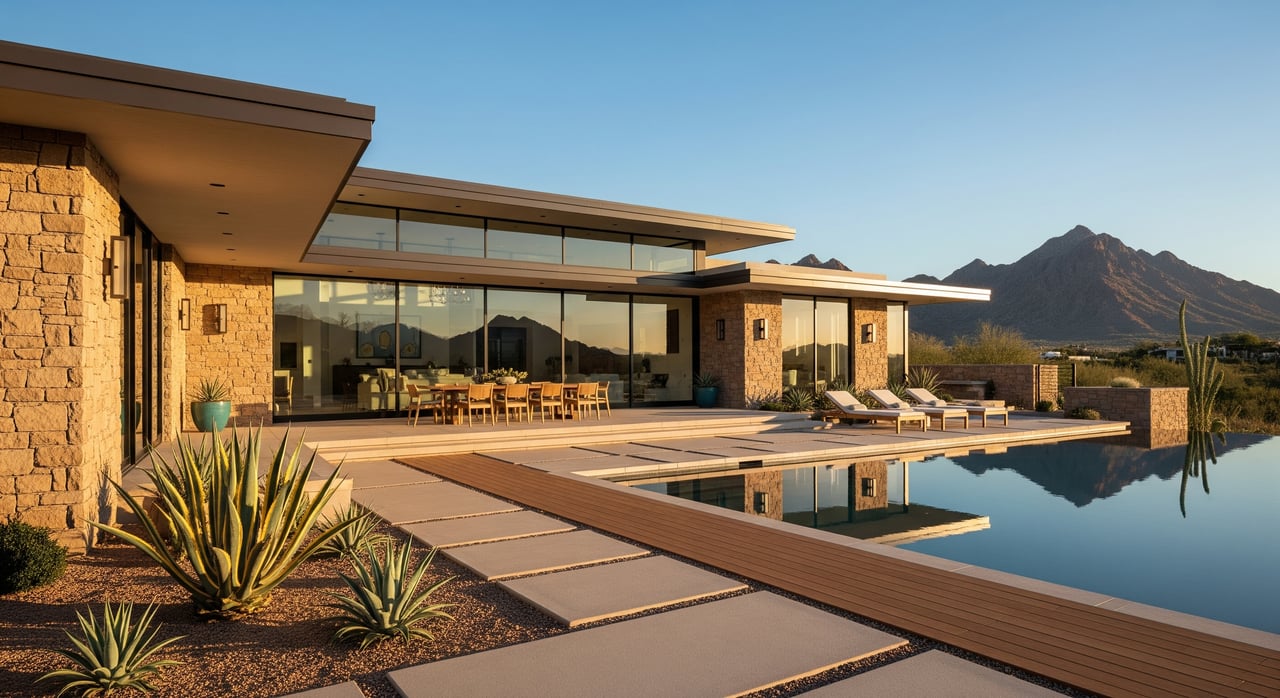
Paradise Valley is a luxury submarket within Maricopa County. Many properties here sit well above conforming thresholds, which makes jumbo financing or cash the norm for buyers. Planning your financing early will help you move decisively when the right property appears.
Appraisals can be more complex for custom estates, view lots, and one of a kind architecture. Comparable sales may be limited, and some lenders may require a second appraisal or additional valuation review. You should also plan for larger absolute property tax bills and any HOA assessments, since lenders factor those into your monthly payment and reserve requirements.
Jumbo loan types you will see
Jumbo financing is not one size fits all. Options vary by lender and borrower profile.
- Fixed rate loans: Standard 15, 20, and 30 year terms are common for primary residences and second homes.
- Adjustable rate mortgages: 5/1, 7/1, and 10/1 ARMs can offer lower initial rates, with caps and adjustment schedules you will want to review closely.
- Portfolio loans: Banks hold these loans on their own books, which can allow more flexible underwriting for complex income or asset scenarios.
- Non QM and bank statement loans: Often used by self employed buyers when traditional tax return income does not reflect cash flow.
- Asset depletion or asset qualifier programs: Convert liquid assets into qualifying income for high net worth buyers with low reported income.
- Interest only structures: Available in select cases, usually with tighter underwriting and clear repayment requirements.
Your best fit depends on your goals, time horizon in the home, and how you prefer to balance payment stability with flexibility.
What lenders typically require
Jumbo underwriting varies by institution, but several themes are common. Expect more documentation and stronger reserves than with standard conforming loans.
- Credit score: Many mainstream jumbo programs look for 700 to 760 plus. Higher scores usually get better pricing and more options.
- Down payment and LTV: Twenty percent down is common for primary residences. For higher balance loans, second homes, or investment properties, lenders often ask for 25 to 30 percent down or more. Some niche programs allow 10 to 15 percent down for highly qualified buyers, usually at a pricing premium.
- Debt to income: Many lenders cap DTI around 43 to 50 percent. Higher DTIs may be possible with compensating factors such as large reserves and excellent credit.
- Cash reserves: Plan for 6 to 12 months of principal, interest, taxes, and insurance on primary residences. For larger balances or second homes, 12 to 24 plus months is common.
- Documentation: Full documentation is typical. Expect two years of tax returns, W 2s or K 1s if applicable, recent pay stubs, two to six months of bank and asset statements, and a signed tax transcript authorization. Large deposits will need clear sourcing. Self employed buyers may need business returns, a profit and loss statement, or bank statement program evidence.
- Mortgage insurance: PMI is uncommon on jumbos. Most borrowers avoid PMI by bringing at least 20 percent down or by using portfolio structures.
Appraisals on luxury properties
Valuation is often the most sensitive step in jumbo financing for Paradise Valley. Unique estates, significant renovations, and limited recent comps may lead appraisers to take a conservative approach. Some lenders order a second appraisal or require valuation reconciliation for high balances.
If an appraisal comes in low, you have options. You can increase your down payment to bridge the gap, request a reconsideration with additional comps, negotiate with the seller, or seek a second appraisal if the lender allows it.
Timeline to close a jumbo loan
Jumbo loans can take longer than conforming mortgages. Build in extra time and get ahead of documentation.
- Preapproval and document collection: 1 to 2 weeks, longer for complex files.
- Appraisal ordering and completion: 7 to 21 days, longer if a specialized appraiser is needed.
- Underwriting review: 7 to 21 days depending on complexity.
- Overall closing window: Plan for 30 to 45 plus days. Rate locks and any float down features may add cost, so align your lock window with appraisal and underwriting timing.
Competing with cash in Paradise Valley
Cash removes appraisal and financing contingencies, which sellers like. Still, a well structured financed offer can compete effectively when you show certainty and speed.
- Secure a fully documented preapproval, not just a rate quote. Ask your lender for a credit memo style summary that you can share with a seller.
- Increase earnest money and shorten contingency periods where comfortable.
- Demonstrate funds for an appraisal gap, if appropriate, and clarify that you can close on a realistic but firm timeline.
- Coordinate with your lender on direct outreach to the listing agent to confirm your underwriting status and appraisal readiness.
Second homes and relocations
Second home purchases often carry stricter down payment and reserve requirements than primary residences. If you are relocating or buying a seasonal home, clarify occupancy with your lender early and plan for larger reserves. Verify how your current housing costs and any future sale proceeds will be treated in your debt to income analysis.
Costs to plan for
Closing costs vary by lender and loan structure. Expect some or all of the following.
- Appraisal fees, which may be higher for complex properties
- Credit report and processing fees
- Origination or broker fees, sometimes points based
- Rate lock or float down fees if you choose those features
- Title, escrow, recording, and transfer taxes
Your monthly payment will also include property taxes and insurance. HOA dues, if any, are part of qualifying and reserve calculations.
How Team Hanabee supports your financing strategy
Buying in Paradise Valley is both a lifestyle decision and a financial one. You deserve clear, data informed guidance and precise execution. Team Hanabee pairs white glove service with an engineering minded process to help you prepare a financing plan that aligns with your goals and the realities of luxury underwriting.
We coordinate closely with trusted jumbo lenders, appraisers familiar with Paradise Valley, and your wealth advisory team. You get a clean, confident offer package that instills seller trust, plus organized transaction management through closing.
Quick prep checklist
Use this list to streamline your jumbo preapproval and keep your file moving.
- Two years of personal tax returns, and business returns if self employed
- Recent W 2s and 30 days of pay stubs, if applicable
- Two to six months of bank statements for all funding and reserve accounts
- Brokerage and retirement statements from the most recent 1 to 2 months
- Clear documentation and explanations for large deposits or transfers
- Government issued ID and Social Security number for tax transcript authorization
- A realistic budget that includes taxes, insurance, and any HOA dues
The bottom line
A well structured jumbo loan can give you the home you want while preserving liquidity for investments, renovations, or future opportunities. In Paradise Valley, preparation is your advantage. When you align the right lender, documentation, timeline, and offer strategy, your financing can compete with cash and close with confidence.
Ready to explore your options or craft a lender ready plan for a specific property? Connect with Miki Nakajima for discreet, data driven guidance tailored to Paradise Valley.
FAQs
What is a jumbo loan and how is it defined?
- A jumbo loan is any mortgage that exceeds the FHFA conforming loan limit, which means it is not eligible for purchase by Fannie Mae or Freddie Mac and is underwritten with different standards.
What is the current conforming loan limit context?
- As of 2024, the baseline single unit conforming limit was $726,200 per FHFA, and limits update annually, so check current figures when you shop.
What credit score do I need for a jumbo in Paradise Valley?
- Many lenders look for 700 to 760 plus for mainstream jumbo products, with better pricing and more options at higher scores.
How much down payment is typical for a jumbo loan?
- Twenty percent down is common for primary residences, while higher loan amounts and second homes may require 25 to 30 percent or more, with niche options allowing lower down payments for highly qualified borrowers.
How long does a jumbo loan usually take to close?
- Many jumbo loans close in 30 to 45 plus days, with preapproval, appraisal, and underwriting timelines depending on property complexity and documentation.
How do appraisals work for high end Paradise Valley homes?
- Unique properties may require specialized appraisers and sometimes a second appraisal or review; if value comes in low, you can increase down payment, seek reconsideration, negotiate, or request another appraisal if permitted.
Can I qualify for a jumbo with significant assets but limited income?
- Yes, some lenders offer asset depletion, bank statement, or portfolio programs that consider liquid assets, although these often carry specific requirements and pricing.
Are jumbo rates always higher than conforming rates?
- Not always, since pricing depends on market conditions, lender programs, and your profile; jumbo and conforming rates can be comparable at times.
Is cash always better than financing in Paradise Valley?
- Cash is often more competitive since it removes contingencies, but strong preapproval, clear reserves, and a thoughtful offer structure can make financed offers compelling while preserving your liquidity.