Leave a Message

Thank you for your message. We will be in touch with you shortly.

Paradise Valley vs Central Scottsdale: Golf Community Guide

January 1, 2026

Are you weighing the prestige of Paradise Valley against the convenience of Central Scottsdale for your next golf home? It is a common decision for relocating and second‑home buyers who want the right balance of privacy, access, and long‑term value. In this guide, you will learn how golf memberships work, what to watch in HOA documents, how lifestyle differs day to day, and what matters most for resale. Let’s dive in.

Big picture: PV vs Central Scottsdale

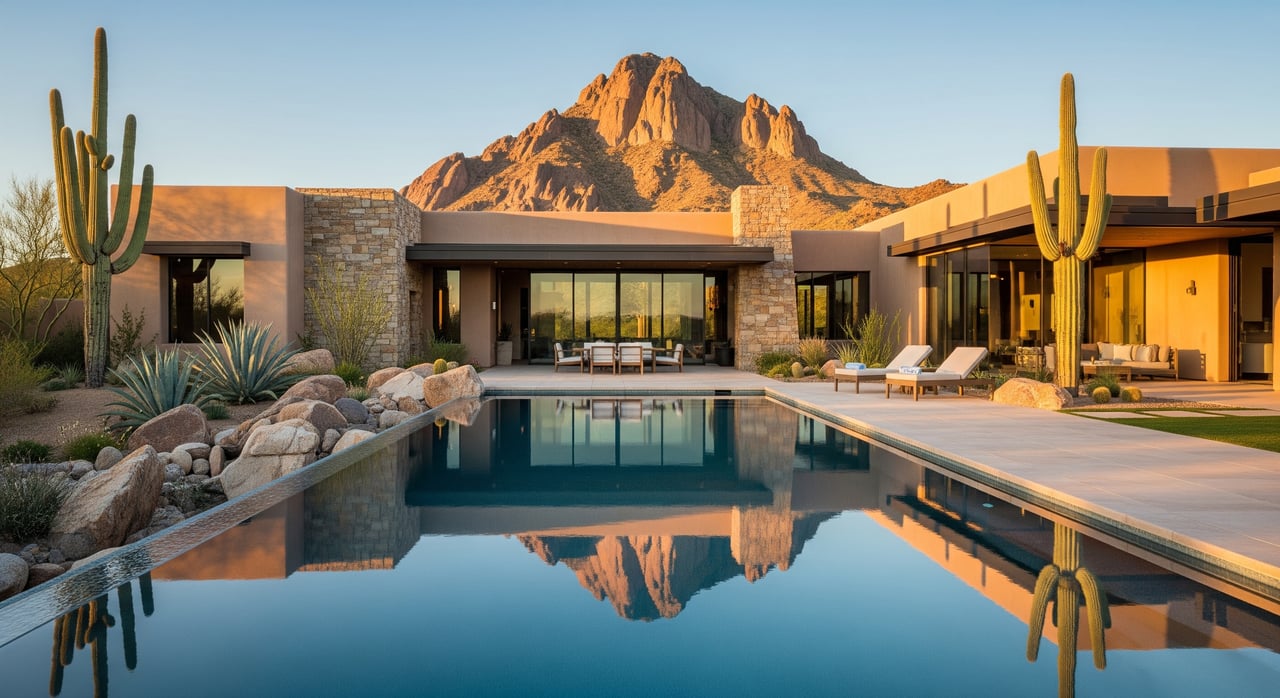
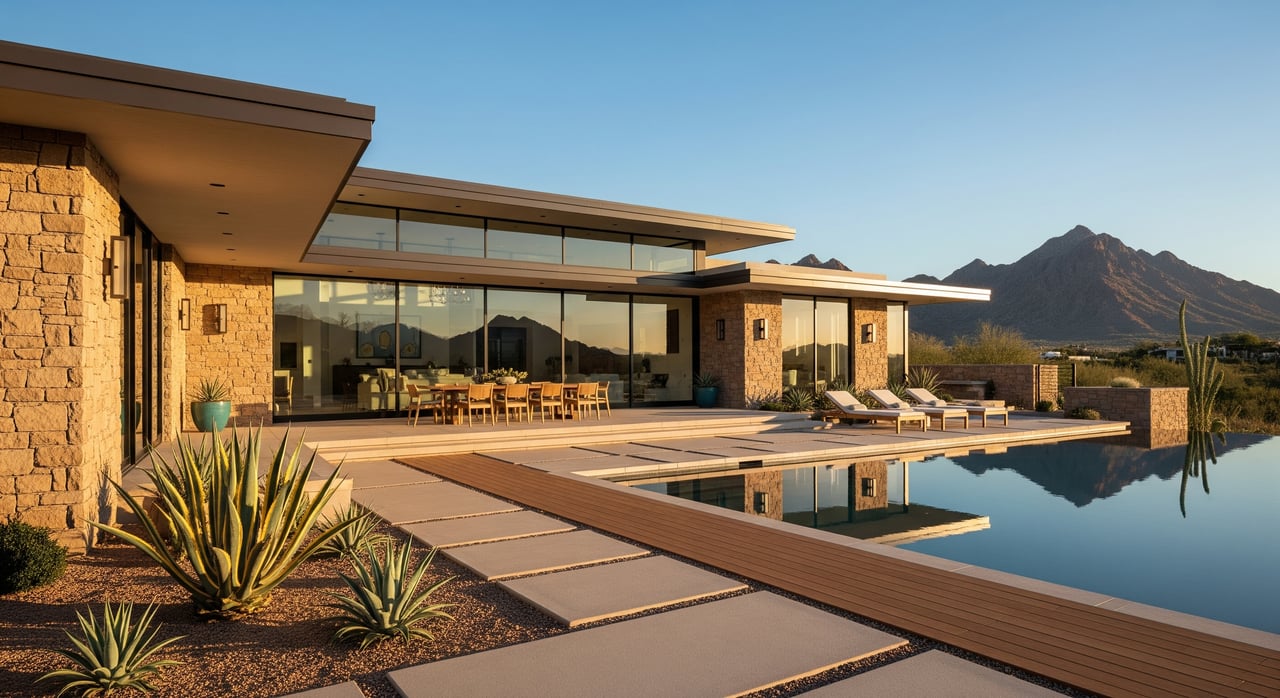
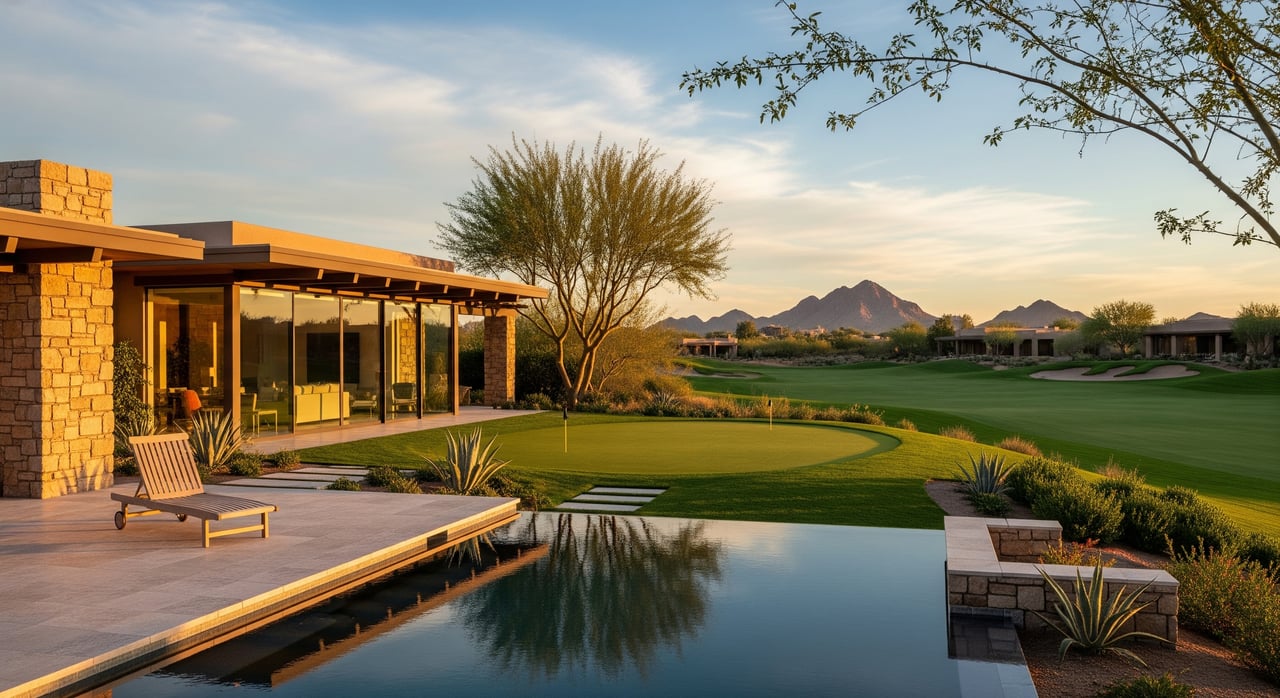
Paradise Valley is known for low density, large lots, and refined privacy with desert and mountain views. Many neighborhoods center around private, member‑driven clubs and estate living. If you want exclusivity, this area often delivers it.

Central Scottsdale offers a wider mix of golf options and daily convenience. You will find municipal courses, resort and semi‑private clubs, and private communities within a short drive of restaurants, shopping, and galleries. The area is more walkable in parts and offers quick access to well‑known venues like TPC Scottsdale.

Golf access: membership types explained

Understanding membership types helps you plan both lifestyle and costs.

  • Private equity clubs: You typically purchase equity or pay a significant initiation fee and annual dues. Access is for members and their guests. These clubs often sit at the core of Paradise Valley’s social scene and expect stricter guest policies.
  • Private non‑equity or semi‑private clubs: Usually lower initiation costs and more flexible guest or reciprocal programs. These are common in Scottsdale and resort areas.
  • Resort or hotel courses: Open to paying guests and green‑fee players. Some offer resident or member programs with limited privileges. These bring easier access but less exclusivity.
  • Municipal courses: City‑owned courses in Scottsdale offer broad public access at generally lower cost and no private membership requirement.

In practice, Paradise Valley leans private and prestigious. Central Scottsdale offers variety, including public options and tournament‑adjacent play. If guests and casual rounds matter, the Scottsdale mix may be a fit. If tradition and exclusivity are priorities, Paradise Valley often stands out.

Membership logistics that affect your purchase

Before you fall in love with a fairway view, confirm how the club handles access and transfers.

  • Mandatory or optional: Is membership required with the home, or is it optional? Some golf subdivisions require it.
  • Transfer rules: Can membership transfer with the property, or is it separate and controlled by the club?
  • Waitlists and tiers: Are there initiation fees, caps, or waitlists? Do resident and non‑resident tiers differ?
  • Reciprocity: Does the club offer reciprocal play with other clubs locally or nationally?

Request the club’s membership agreement, transfer rules, initiation and dues schedules, bylaws, and any waitlist policies. Build time into your escrow for approvals, since transfers can add days to the timeline.

HOA, CC&Rs, and assessments: what to review

A golf course is a major shared asset. Your HOA’s financial health and covenants matter.

  • HOA documents to request: CC&Rs, bylaws, budget, recent meeting minutes, reserve study, and rules or architectural guidelines.
  • Mandatory vs bundled fees: Confirm whether HOA dues include any club charges or if club membership is separate.
  • Reserves and special assessments: Check reserves and any history of special assessments. Ask about planned capital projects.
  • Course‑closure risk: If a course is sold or closed, property values may be affected. Verify who owns the golf land, any private easements, and change‑of‑use protections.

Arizona has specific real estate disclosures and HOA statutes. Work with an experienced local agent and consider an attorney to review CC&Rs and any club transfer documents before you commit.

Daily life: privacy, convenience, and events

Paradise Valley offers quieter streets, larger lots, and view‑oriented estates. You may drive farther for dining or shopping, but you gain privacy and open space. Many PV communities have stricter architectural controls and fewer shared amenities.

Central Scottsdale shortens daily errands and expands nightlife and dining choices. You will find condo and gated options, plus more mixed‑use areas. Tournament venues can add periodic traffic and noise on event days, so ask about schedules and proximity.

Landscaping, water, and maintenance

Across the region, water rules and incentives encourage efficient landscaping. HOAs may require front‑yard xeriscaping or limit turf areas. Confirm what is allowed for pools, backyards, and hardscape before planning improvements. Larger lots and pools often mean higher maintenance and utilities, so include these items in your annual budget.

Second‑home and rental considerations

If you plan to use your home seasonally, ask about non‑resident or seasonal membership tiers. Clarify guest policies during peak times, especially in high season. For rental potential, verify HOA and club rules on leasing, including any short‑term restrictions, before you assume income.

Resale and value drivers

Golf frontage, view corridors, and gated access can add a premium, but it depends on club prestige, course condition, and HOA health. A change in ownership, maintenance levels, or public access can reduce that premium or slow resale. Check recent comparable sales inside the community and nearby non‑golf areas to understand the local range.

Your due‑diligence playbook

Use this checklist to validate quality, costs, and fit.

  1. Request key HOA documents: CC&Rs, rules, budget, reserve study, recent minutes, and architectural guidelines.
  2. Gather club paperwork: membership agreement, initiation and dues schedules, bylaws, transfer rules, and waitlist or cap details.
  3. Confirm who owns the golf course land and what easements or protections apply. Ask about any past or pending land‑use changes.
  4. Review special assessment history for both HOA and club. Ask about planned capital projects and timelines.
  5. Verify rental rules and any limits on short‑term or seasonal leasing.
  6. Compare carrying costs: HOA dues, club dues, property taxes, insurance, utilities, and landscape or pool maintenance.
  7. Tour at different times and play as a guest or request a trial day to experience access, pace of play, and culture.
  8. Pull recent comps to quantify any golf premium versus adjacent neighborhoods.
  9. Plan for escrow timing, since membership transfers may require approvals.
  10. Consult a real estate attorney on contract language for mandatory memberships and assessments.

Negotiation and purchase tips

  • Seller concessions: Ask for initiation fee credits, prorated dues, or payment of transfer fees when appropriate.
  • Timing: Align your closing with club transfer approvals to avoid gaps in access.
  • Financing and appraisal: If membership is mandatory, confirm your lender’s acceptance and how fees factor into underwriting.

Which area fits you?

Choose Paradise Valley if you value estate privacy, low density, and a private club culture with a quieter residential feel. Expect stricter architectural controls and longer drives for dining and shopping.

Choose Central Scottsdale if you want a variety of golf options, easier guest play, and short trips to restaurants, galleries, and shopping. Expect more mixed‑use energy and occasional event traffic near major venues.

How Team Hanabee helps you decide

You deserve advice that blends lifestyle and precision. Team Hanabee pairs an engineering‑driven process with white‑glove service to help you analyze HOA health, review club structures, and model total carrying costs. With Sotheby’s reach and local expertise across Paradise Valley and Scottsdale, we curate the right homes, coordinate design and renovation needs, and manage your transaction with care.

If you are ready to compare specific communities, connect with Miki Nakajima to build a clear plan and tour homes that fit your golf and lifestyle goals.

FAQs

What are the main golf membership types in Paradise Valley and Central Scottsdale?

  • You will see private equity clubs in Paradise Valley and a broader mix of private, semi‑private, resort, and municipal options in Central Scottsdale.

Is club membership always required when buying a golf home in these areas?

  • No, some communities require membership while others make it optional, so verify the community’s rules before you write an offer.

How do HOAs in golf communities affect daily living and costs?

  • HOAs set architectural and landscaping rules, manage common areas, and collect dues, so review CC&Rs, budgets, reserves, and any special assessment history.

What is golf course‑closure risk and why does it matter?

  • If a course is sold or repurposed, views and values can change, so confirm land ownership, easements, and any change‑of‑use protections.

Can second‑home owners get club access in Scottsdale or Paradise Valley?

  • Many clubs offer non‑resident or seasonal tiers, but terms vary, so ask about waitlists, guest policies, and peak‑season rules.

How do events at major Scottsdale golf venues affect nearby homeowners?

  • Large events can bring periodic traffic and noise, so check event calendars and tour at different times to assess impact.

What documents should I request before buying in a golf community?

  • Ask for HOA CC&Rs, rules, budgets, reserve studies, minutes, and the club’s membership agreement, dues schedule, transfer rules, and any waitlist details.

WORK WITH MIKI

Get assistance in determining current property value, crafting a competitive offer, writing and negotiating a contract, and much more. Contact Miki today to discuss all your real estate needs!