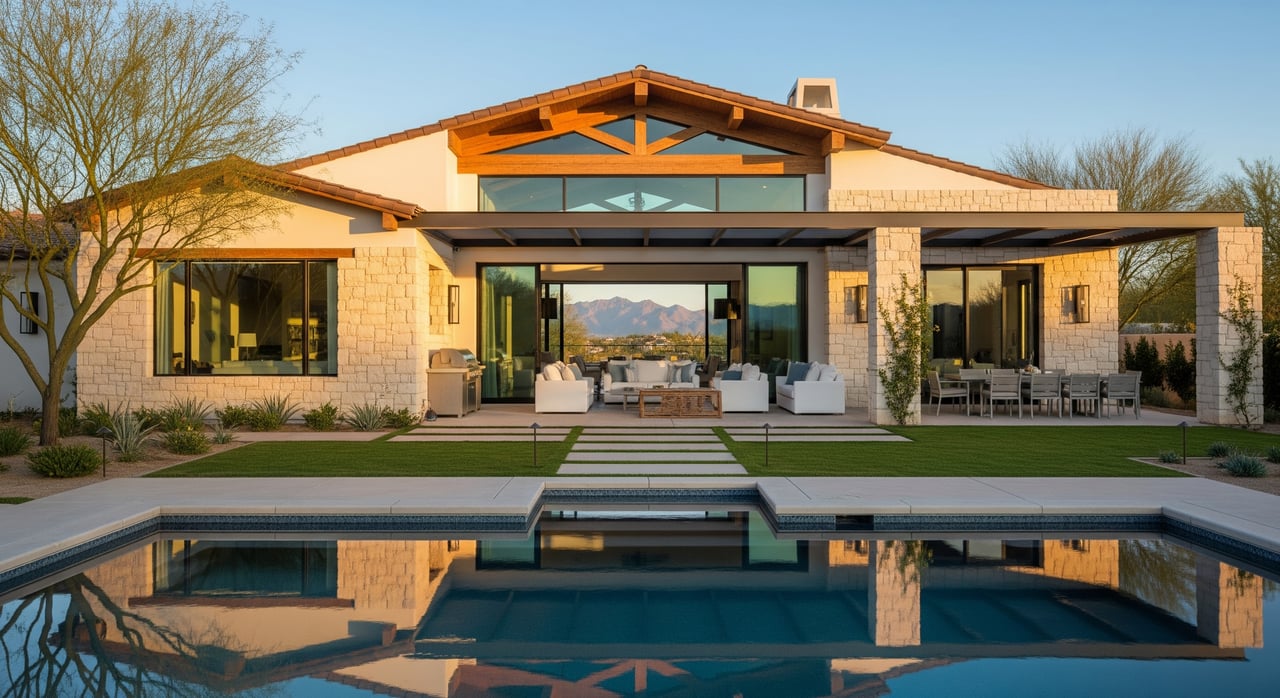
Pricing Unique Arcadia Homes: A Smart Framework
December 25, 2025
December 25, 2025
Is your Arcadia home hard to compare to anything else on the market? If you have a custom renovation, a noted architect, or a standout lot with outdoor living, a simple price per square foot can leave real money on the table or scare away qualified buyers. You deserve a pricing plan that reflects your home’s design value and verifies it with evidence. In this guide, you’ll learn a clear framework to set a defensible number and the marketing steps that help you achieve it. Let’s dive in.
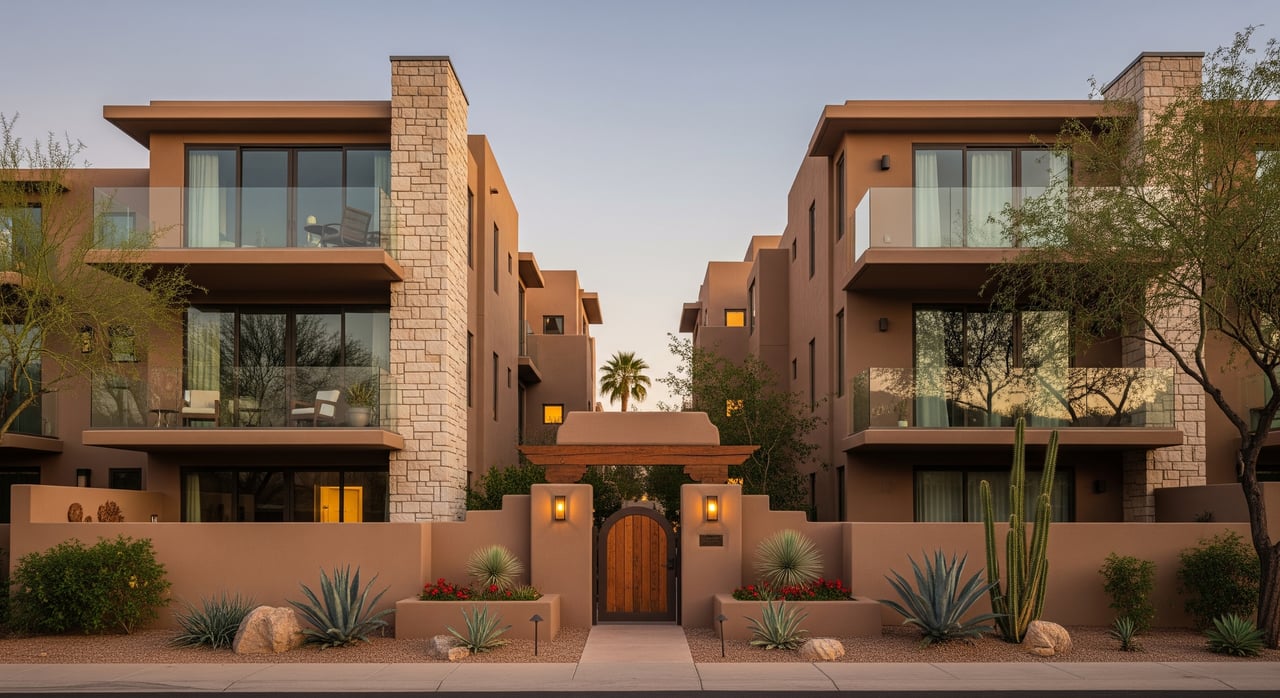
Arcadia combines large lots, mature trees, and a blend of mid-century ranch, reimagined modern homes, and new builds. That mix creates high buyer demand, but it also makes apples-to-apples comparisons scarce. Architect-designed properties or deeply customized renovations often have few true comps nearby.
Standard price per square foot often breaks down with these homes. Lot quality, outdoor living, and architectural pedigree can matter more than raw size. Lender appraisals may rely on recent nearby sales that look similar on paper, even when a buyer will pay a premium for design, provenance, or rare features. Permitting also matters. Unpermitted work can force discounts and slow a deal.
Timing plays a role. In fast-moving periods, you need a shorter comp window so your price reflects current momentum. In slower markets, you can look farther back in time, but you should account for appreciation or softening as you adjust.
Not all features carry equal weight. Use these categories to document value and support your price.
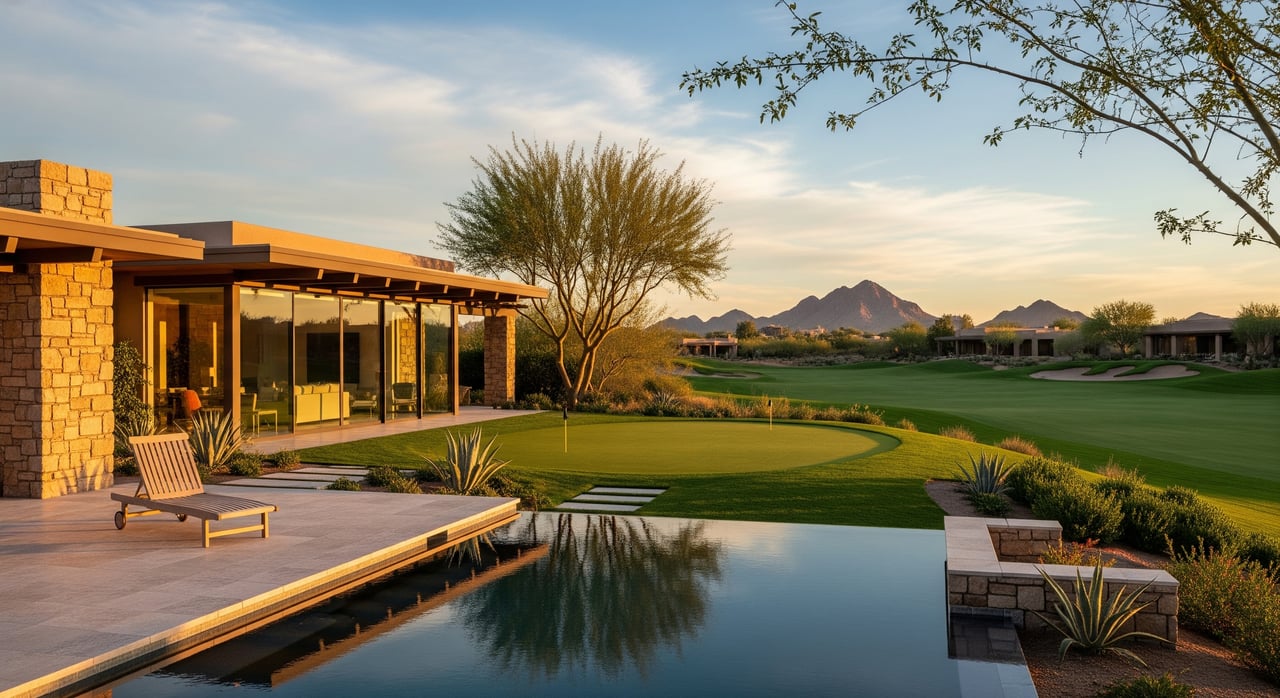
Lot size, orientation, privacy, and mature landscaping drive demand in Arcadia. Walkability to local amenities and views of Camelback Mountain add powerful premiums when present. Show proof with a lot survey, aerials, and simple walking-time maps. These make your claims clear and credible.
A recognized architect, mid-century provenance, or custom design can command a premium that goes beyond typical feature counts. Collect plans, contractor records, press mentions, awards, and professional photography. The more you validate the story, the more confident buyers and appraisers feel about your number.
Structural upgrades and major systems matter. Newer or well-maintained HVAC, roof, electrical, plumbing, windows, doors, and waterproofing reduce buyer risk and support stronger pricing. Keep permits, warranties, invoices, and inspection reports ready. Efficiency data can help too.
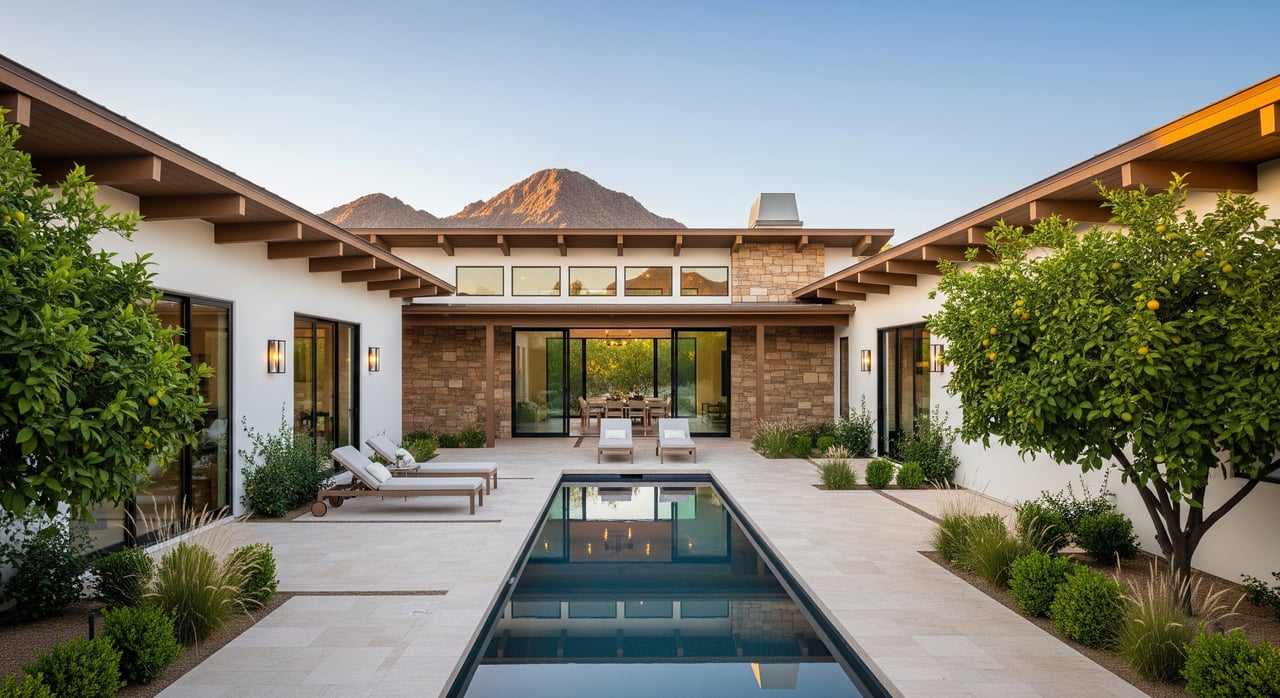
Open kitchens, indoor-outdoor flow, and a sensible bedroom-bath layout often beat raw square footage. Single-level living and rooms that serve work-from-home needs are strong draws. Provide measured floor plans and 3D tours that show sight lines and circulation.
High-end millwork, stone, integrated cabinetry, luxury kitchens and baths, and smart-home systems add measurable appeal. Share itemized finish schedules, brand and model info, and warranties so buyers can quantify the value.
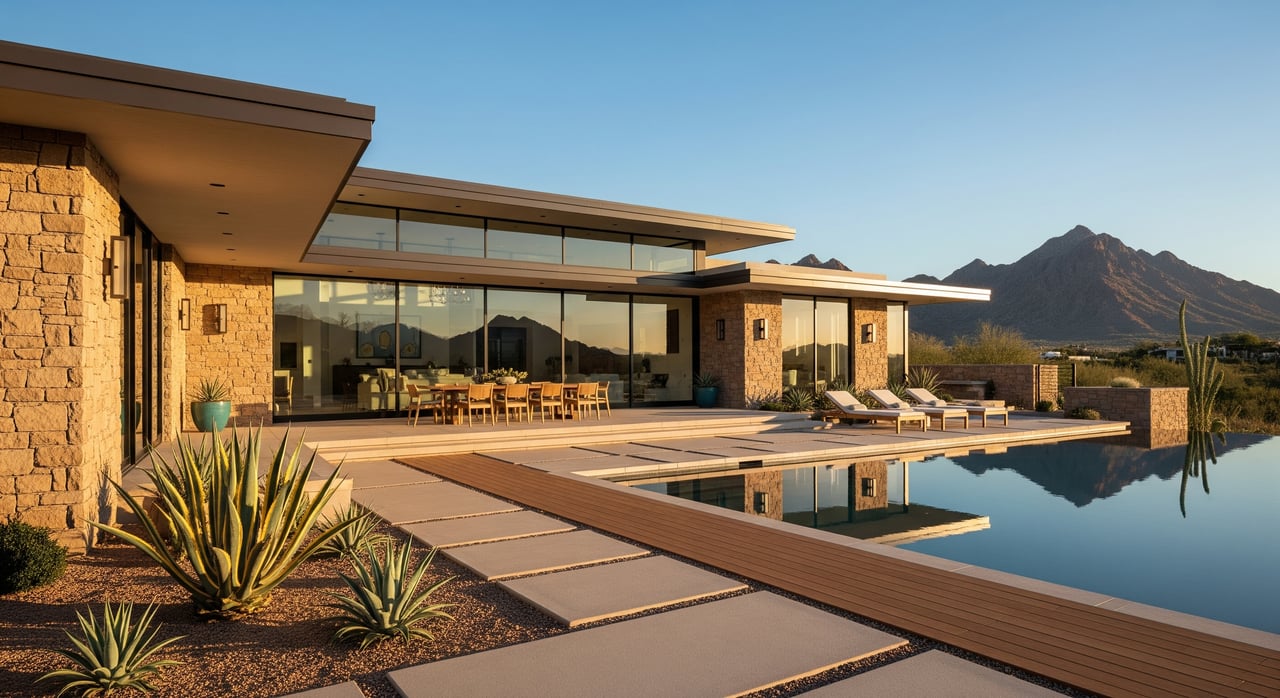
Arcadia buyers love outdoor living. Pools, covered patios, outdoor kitchens, and usable flat yards are major triggers. Back up claims with pool permits, landscaping plans, and photos that show entertaining capacity.
Permitted work boosts confidence and reduces last-minute negotiation. Unpermitted improvements typically require discounts or remediation. Retrieve City of Phoenix or Maricopa County permit records and keep them organized.
Shifts in inventory, days on market, and interest rates influence buyer behavior. Local rules on short-term rentals or planned zoning changes can affect investors and certain buyer types. Calibrate your pricing window and strategy to current conditions.
You can price a one-of-a-kind Arcadia home with discipline. Follow this sequence to build a defensible number.
Create a simple grid that compares your home to each comp. Include:
A clear matrix makes your adjustments transparent and repeatable.
Use weights to focus on what matters most. An illustrative guide for Arcadia unique homes:
These are decision aids, not a formula. Calibrate with local evidence.
If closed sales are thin, blend approaches:
A strong price is more than a number. Choose the strategy that fits your market and property.
List at a well-supported number and target the right buyers from day one. This is ideal in a calm market where uniqueness needs careful storytelling and overpricing risks long days on market.
Price slightly under perceived value to spark multiple offers. In very hot markets this can work, but for design-forward homes it may draw bargain hunters who overlook the premium features. Use with care.
Launch at a price that reflects true market value. Use a strong marketing window and be ready to adjust after a short period based on verified feedback from showings and broker tours.
Pricing alone does not deliver the result. Your marketing must reach buyers who value uniqueness.
Lead with provenance. Highlight the architect, renovation timeline, materials, and lifestyle the home enables. Include a simple improvement timeline and permitting summary to build trust.
Invest in high-end photography and video that capture indoor-outdoor flow, finishes, and twilight ambiance. Detail shots of cabinetry, stone, and millwork help buyers see why your home is different.
Provide accurate floor plans, room dimensions, and a lot plat. These help buyers, lenders, and appraisers verify function and utility.
Offer pre-listing inspections, permit packets, and warranties. Reducing perceived risk supports stronger offers and smoother appraisals.
Invite the architecture and design community. Hold boutique broker previews and aim digital outreach toward likely buyers, including relocation audiences who need strong visual storytelling and neighborhood orientation.
Control early access with broker previews, then track feedback. If comments fixate on layout or price in a consistent pattern, reassess quickly rather than waiting.
Gather these items before you set price or go live:
Unique Arcadia homes earn their value when you combine evidence with story. Lead with lot and location, documented upgrades and permits, clear floor plans, and visuals that show lifestyle. Use a comp framework that prioritizes the attributes buyers actually pay for, then choose a pricing strategy that fits today’s conditions. If you want help applying this process and presenting your home to design-minded buyers with global reach, connect with Miki Nakajima.
Stay up to date on the latest real estate trends.
Get assistance in determining current property value, crafting a competitive offer, writing and negotiating a contract, and much more. Contact Miki today to discuss all your real estate needs!